The matcha journal
Recipes, rituals and ceremonial matcha know-how — no myths, just substance.
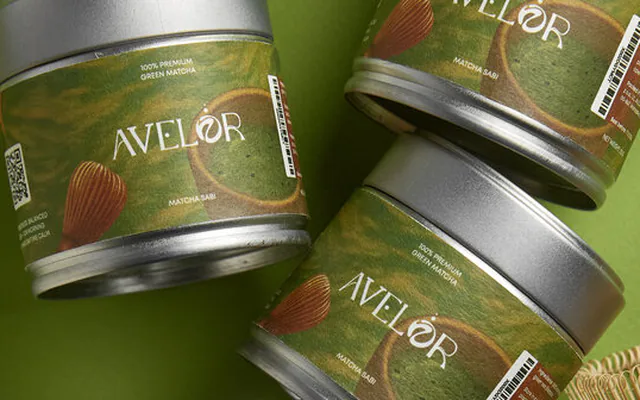
Which matcha should you buy? A buying guide: line, size and cost per serving
In short: IKI for drinking with water, SABI for every day, OMI for lattes and iced drinks — and pick a size you will finish within 4–6 weeks of opening. The tables below show price and cost per serving, calculated from the current price list.
Read more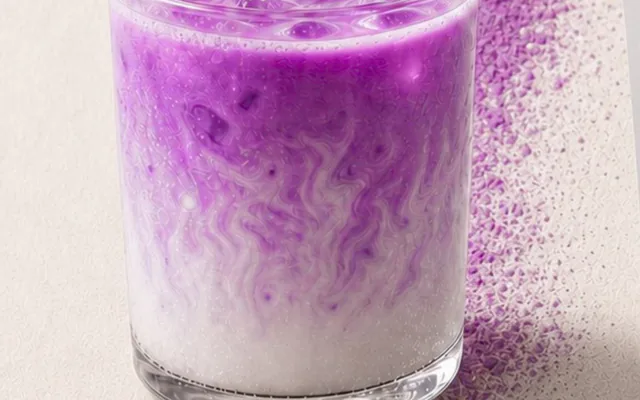
Where to buy ube powder — price, sizes and which one to choose
We sell ube powder in four sizes: 50 g, 100 g, 500 g and 1 kg, delivered to the countries in the delivery table below. Here is a table with the price and the cost of one drink, a note on which size makes sense at home and which in a café, and a list of things to check before buying from any shop.
Read more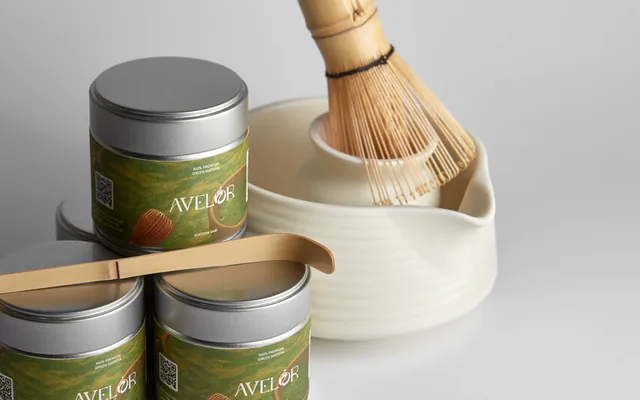
Gingerbread matcha latte — a recipe with homemade gingerbread syrup
A green latte that smells like a tray of gingerbread. The whole trick is a syrup you cook once a fortnight — five minutes of work, after which every cup takes no longer than a plain matcha latte.
Read more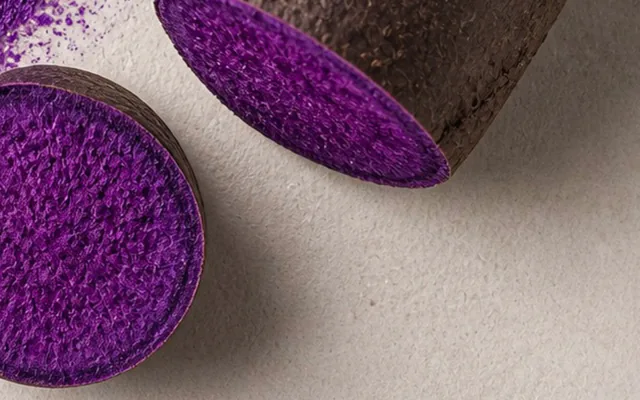
Does ube have caffeine — ube latte, ube matcha latte and ready-made mixes
The short answer: no. Ube is the tuber of a yam, not a tea or a coffee, so pure ube powder contains no caffeine. Caffeine can only come from what you add to the glass — matcha, espresso or a ready-made mix.
Read more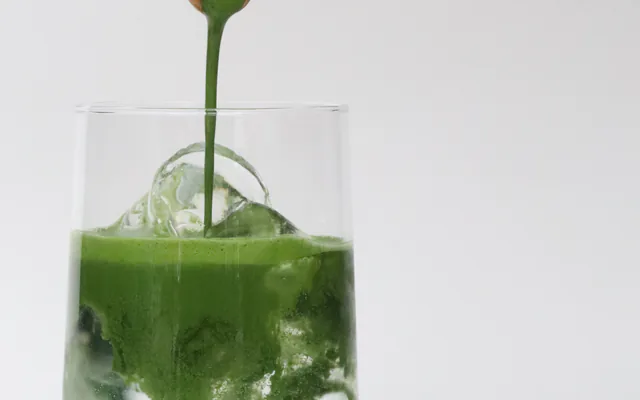
Strawberry matcha latte — a layered iced latte recipe with strawberry purée
Red at the bottom, white in the middle, green on top — a strawberry matcha latte sells with the eyes first. The layers need no trick: strawberry purée is the heaviest, matcha on water the lightest. The rest is pouring order.
Read more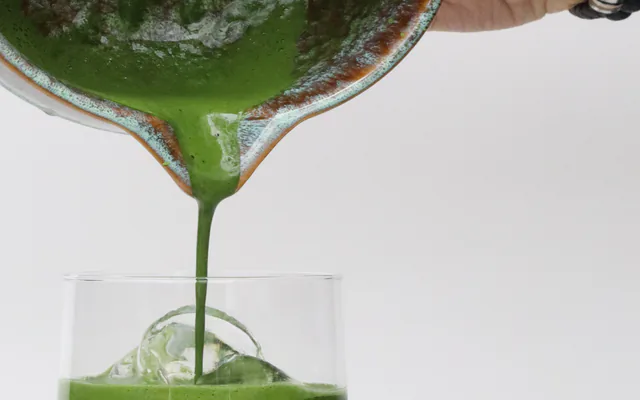
Matcha lemonade — an iced recipe, the tonic version and three mistakes that ruin the colour
Matcha without milk, but with lemon and bubbles: matcha lemonade is lighter than a latte, has the same caffeine and is made in a jar. The only difficulty is the order — the matcha has to be dispersed before it meets the ice.
Read more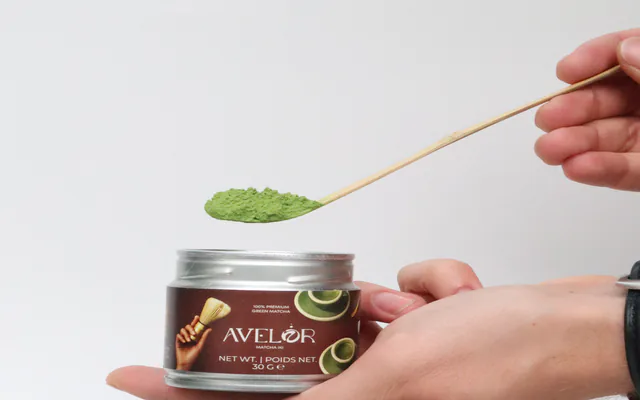
Dirty matcha latte — a recipe for matcha with espresso, iced and hot, with the caffeine maths
Dirty matcha joins two drinks that usually sit on opposite sides: matcha latte and espresso. Iced, it gives three layers — green, white and brown — and tastes like nutty coffee with umami in the background. It carries as much caffeine as two espressos.
Read more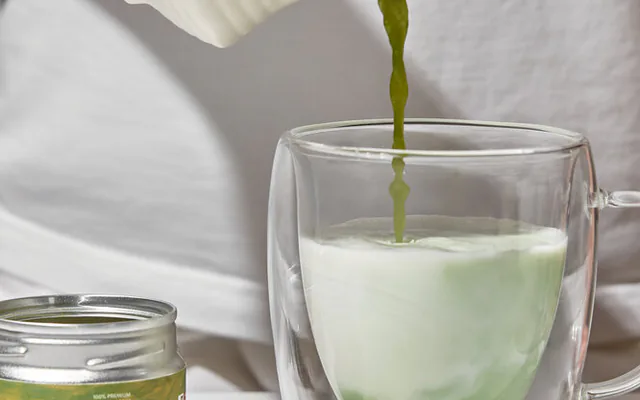
Which milk for a matcha latte — dairy, oat, soy, almond and coconut in one comparison
Milk is three quarters of a matcha latte by volume, so it decides the taste, foam and colour more than the powder itself. There is no single best milk — there is a best for hot, a best for iced and a lightest. The table is below, the reasoning follows.
Read more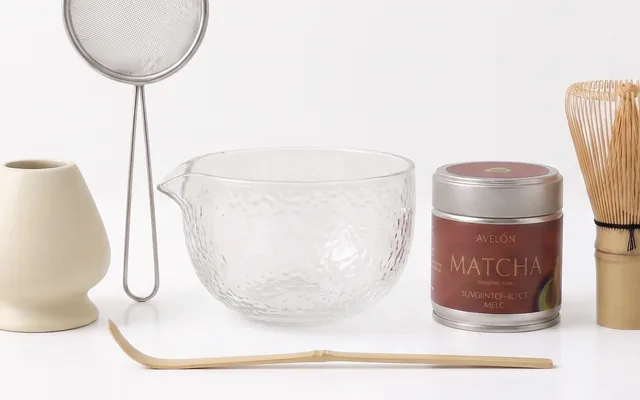
Matcha set — what you really need, what is nice to have and what is pointless
Your first bowl of matcha needs three things, a comfortable daily routine needs five, and shops sell sets with ten. We take the kit apart: what each piece does, what you cannot do without and what you can replace with something from the kitchen.
Read more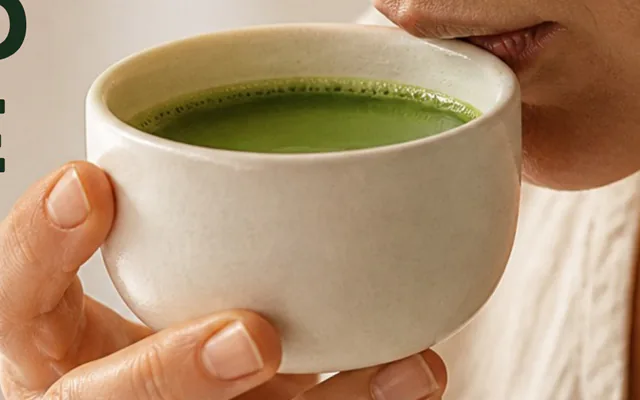
Can children drink matcha — the caffeine maths for a child and a teenager, and green alternatives without caffeine
Matcha is green, slightly sweet and looks like a children’s drink. It is also a drink with espresso-level caffeine. This article works out what that means for a child of different body weights, and shows what to serve when a child wants "the same as mum".
Read more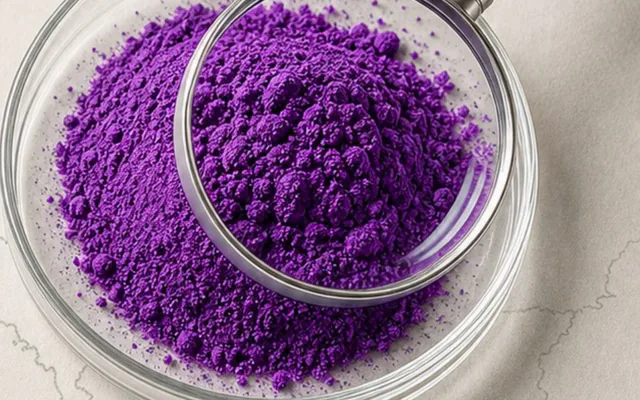
Ube drinks — five recipes beyond the latte: cream top, lemonade, spritz, shake and hot chocolate
Ube powder usually ends up in a latte, which is the least interesting thing it can do. One base — powder dispersed in warm water — gives you a foam for iced drinks, a lemonade that changes colour, a spritz, a shake and a hot chocolate. All of it caffeine-free.
Read more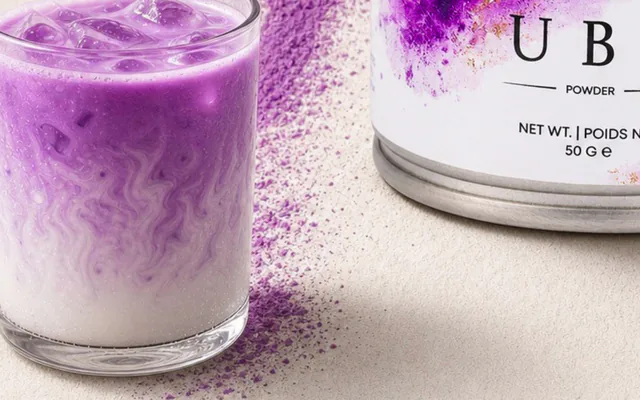
Ube matcha latte — a layered latte recipe: purple below, green above
An ube matcha latte is two drinks in one glass: a purple, caffeine-free ube base at the bottom and green whisked matcha on top. The layers are not a trick — they come from density. All you need is the right order.
Read more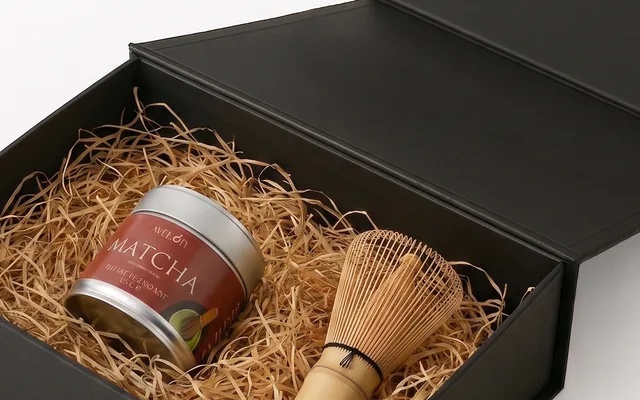
Matcha as a gift — which set to choose for a beginner, a coffee lover and someone who already has everything
Matcha makes a good gift for one reason: it gives the recipient something to do, not just something to drink. What goes in the box depends on who opens it — four typical situations below, each with a concrete answer.
Read more
Spiced matcha latte — an autumn and winter recipe (cinnamon, cardamom, ginger)
The same base as a classic matcha latte, with the spices sieved together with the powder. Five minutes, no syrups, and a drink that smells like December — without losing what you like about matcha.
Read more
L-theanine in matcha — what it is, how much there is, and what is really known about the duo with caffeine
Every description of matcha mentions “L-theanine” — usually next to a promise of calm and focus. Here it is in order: what the compound is, why matcha has more of it than other teas, what studies of its combination with caffeine showed, and where science ends and marketing begins.
Read more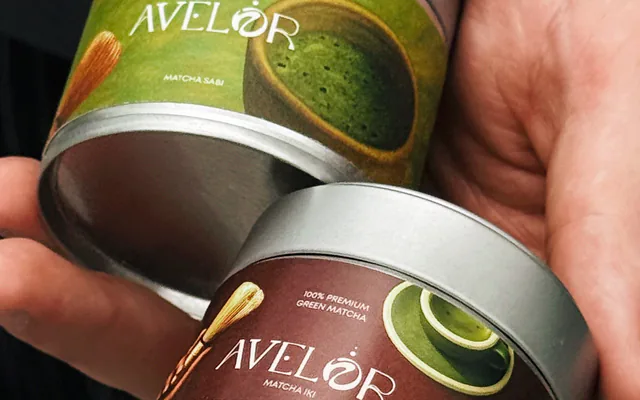
IKI, SABI or OMI — which Avelor matcha to choose and how they really differ
All three are ceremonial grade matcha, so the question is not “which one is good” but “which one fits the way you drink it”. The differences are about flavour profile and intended use — and they can be described without marketing fog.
Read more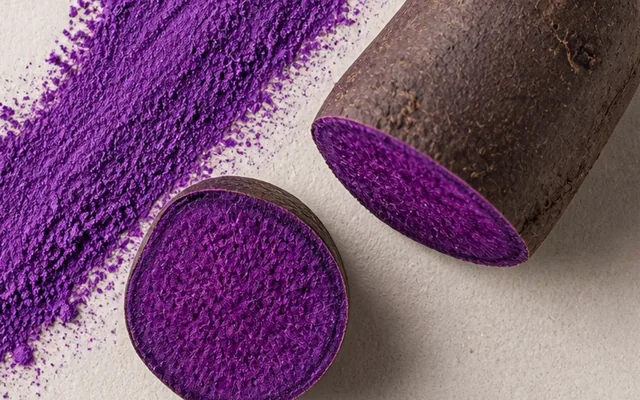
What is ube — the purple yam, its taste, its colour and how to use it in the kitchen
Ube is the purple tuber of a yam that has been the base of Filipino desserts for generations and, more recently, of purple lattes. It is not a sweet potato, not taro and not a tea — and it pays to know how its colour behaves before it goes into a cake or a lemonade.
Read more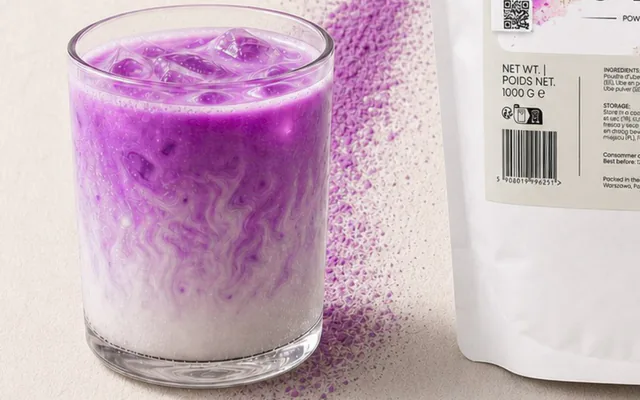
Ube latte recipe — hot, iced and layered with matcha
Purple, creamy, gently sweet and caffeine-free. An ube latte takes five minutes, provided the powder goes into warm water first and not straight into the milk — after that it is only a matter of ratios.
Read more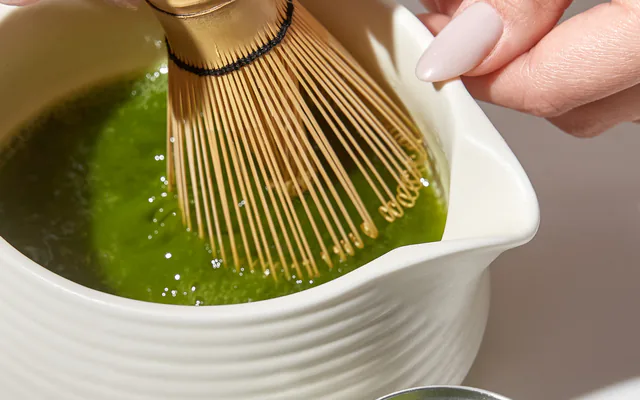
How long does matcha take to kick in — and how long does it last? A timeline of one serving
The short answer: first effects after 15–45 minutes, noticeable alertness for roughly 3–6 hours, and caffeine in the body for far longer than you can feel it. Below is the full timeline of one serving and the arithmetic that lets you map it onto your own day.
Read more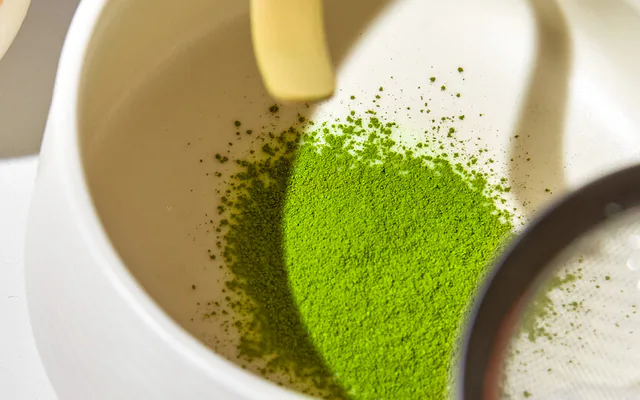
Matcha vs energy drinks and cola — caffeine and sugar compared per serving
The short answer: a serving of matcha has roughly as much caffeine as a small can of energy drink and twice as much as a can of cola — but no sugar unless you add it. The rest is serving arithmetic worth doing once.
Read more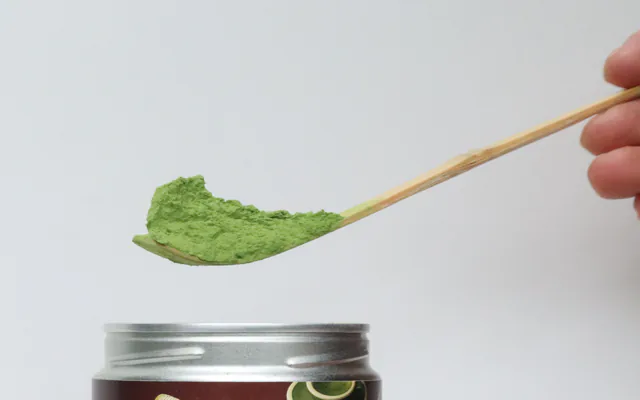
Matcha and metal spoons — does metal really harm matcha?
The short answer: a steel teaspoon will not ruin your matcha. The “no metal” rule is a blend of tradition, a few real but entirely different problems, and one misunderstanding — it is worth pulling them apart.
Read more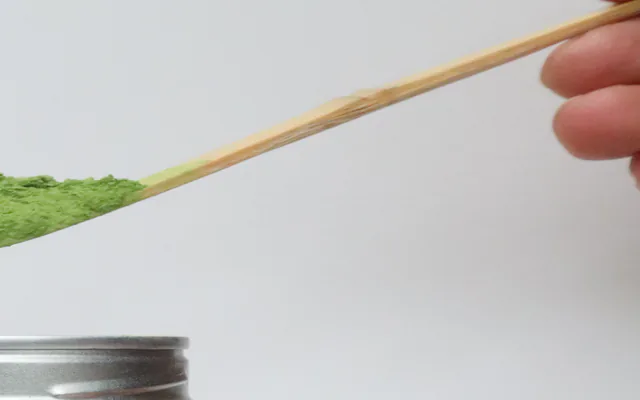
How many grams of matcha per serving — ratios that work every time
The short answer: 2 grams to 60–70 ml of water. But grams alone mean nothing until you know how much water follows them — which is why two people with the same teaspoon end up with two completely different drinks.
Read more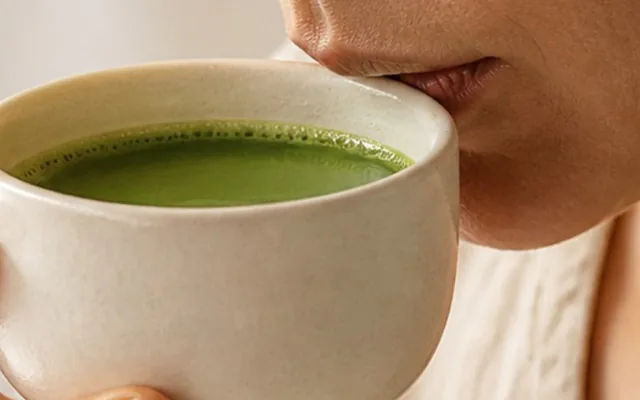
What does matcha taste like — what to expect from your first bowl
Matcha does not taste like green tea from a bag, and it is not sweet. Made well it is dense, creamy and clearly umami, with a short bitterness right at the end. Made badly it is simply bitter — and that is the one difference worth learning to notice.
Read more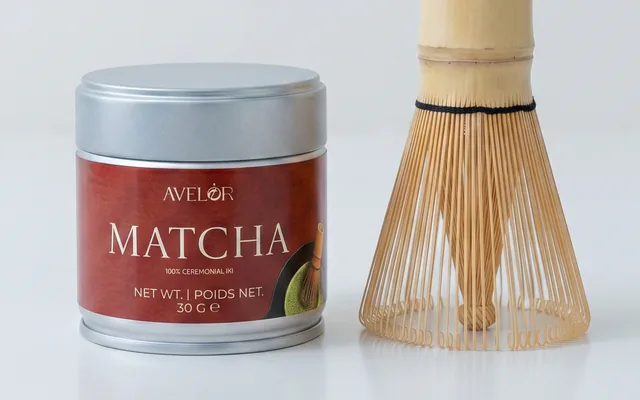
Does matcha go bad — shelf life, ageing signs and whether you can freeze it
Dry matcha does not grow mould and will not “spoil” in the microbiological sense — there is no water in the powder for anything to live on. What it does lose is exactly what you paid for: colour, aroma and sweetness. So the question is not “is it still safe” but “is it still worth drinking straight”.
Read more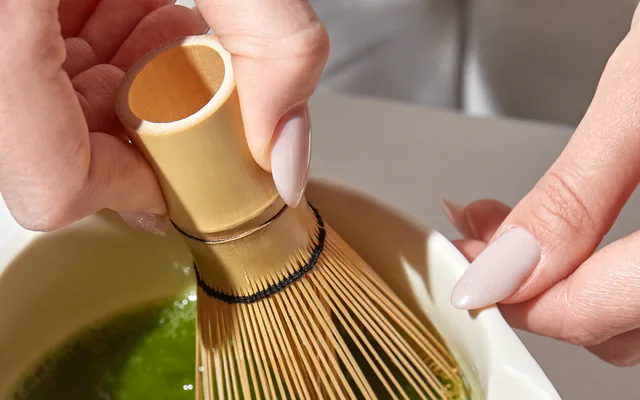
What water temperature for matcha — and why boiling water ruins it
Water at 70–80 °C. One number, and it accounts for most of the difference between matcha you want to drink and matcha you have to rescue with sugar — because temperature decides what exactly you pull out of the powder.
Read more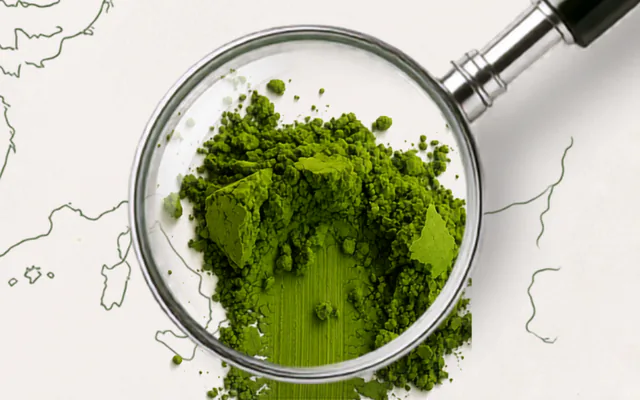
Organic matcha and lab testing — what a certificate really means and what to ask a seller
You drink matcha together with the leaf — there is no infusion to strain, you consume the raw material itself. That single sentence explains why questions about residues and batch testing carry a different weight here than with a tea bag.
Read more
Matcha wholesale pricing — how to read a price list and calculate your entry cost
Two wholesale offers are almost never directly comparable: different pack sizes, different tiers, different delivery terms, sometimes a different currency. They can, however, be reduced to one number — the net price per gram including delivery — and only that number means anything.
Read more
What is matcha — everything worth knowing before your first bowl
Matcha is powdered green tea leaf — one ingredient, nothing added. You do not steep and strain it: the powder is suspended in water and drunk together with the leaf. Everything else follows from that single difference.
Read more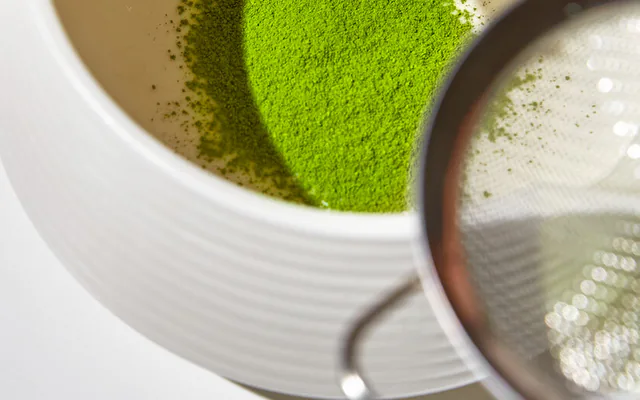
Matcha and weight loss — what can honestly be said, and what must not be promised
Short answer: no drink causes weight loss, and European law forbids claiming otherwise. The longer answer is more interesting — matcha can genuinely have a place in a daily routine, just for an entirely different reason than most advertising suggests.
Read more
Matcha in pregnancy — how much caffeine, what to watch and what to ask your doctor
This is not medical advice and it does not replace a conversation with your doctor or midwife. What it does give you is concrete arithmetic: how much caffeine a serving of matcha holds, how that sits against the commonly cited limit, and two things beyond caffeine worth considering.
Read more
Matcha for baking — which grade to choose and why your cake turns brown
The most common disappointment when baking with matcha is not the taste but the colour: beautifully green in the bowl, dirty olive out of the oven. That is not the fault of the matcha or the recipe — it is chemistry, and it can be predicted and largely worked around.
Read more
How much matcha a day — practical ranges, warning signs and how to build a routine
For most healthy adults a sensible range is one to three servings a day. But the number alone means nothing until you add your coffee and settle on the timing — and those two things decide whether matcha works for you.
Read more
Matcha and sleep — will it keep you up, how late to drink it, and where the calming myth comes from
Two contradictory stories circulate: that matcha is calming, and that it makes sleep impossible. Both are oversimplifications. The truth is simple and countable — matcha contains as much caffeine as an espresso, and what mainly decides its effect on sleep is the hour you drink it.
Read more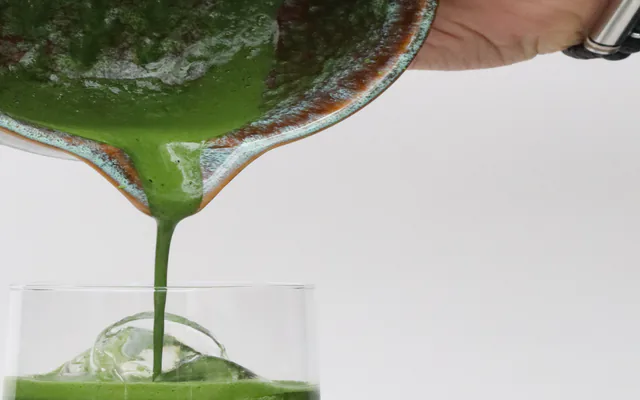
How to make matcha without a chasen — six methods and one that fails
A whisk is not a requirement for drinking matcha — it is the best tool, but not the only one. Below are six methods that genuinely work, one that never does, and an honest account of what you give up.
Read more
How many calories are in a matcha latte — and where they really come from
The question "how many calories are in a matcha latte" has one honest answer: it depends entirely on what you pour in. The powder itself counts for almost nothing — milk and syrup do all the work. Below are the numbers you need to build any version.
Read more
What a matcha latte costs a café — food cost from scratch
A matcha latte sits above cappuccino on the menu, yet cafés often make less on it. The reason is usually the same: powder bought in retail packs. Here is the calculation you can do on paper in five minutes.
Read more
Can matcha be bad for you? Side effects, dosage and who should be careful
Matcha is a single-ingredient drink — ground tea leaf. The problems people blame on it almost always come down to three things: too much caffeine, the wrong time of day, or poor raw material. Point by point, without scaremongering and without miracle promises.
Read more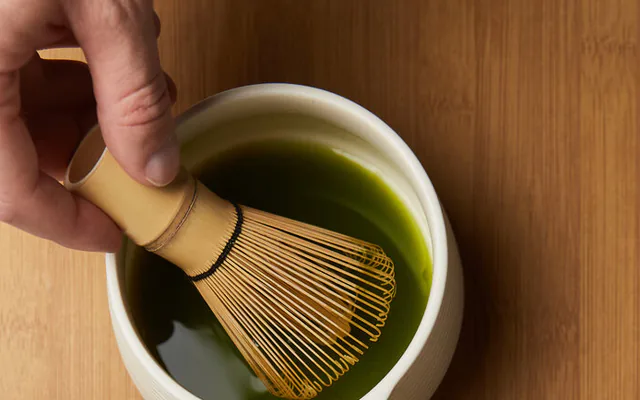
Matcha vs green tea — the same leaf, two entirely different drinks
Matcha and sencha come from the same plant, Camellia sinensis. The difference is not the species but what is done to the leaf before it reaches the bowl. Everything else follows from that: colour, caffeine, flavour and price.
Read more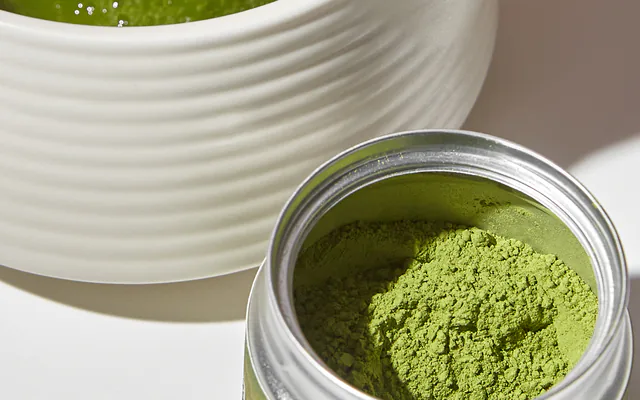
Why matcha tastes bitter — six causes and a fix for each
Most people who "do not like matcha" drank it once — scorched with boiling water or made from baking powder grade. Bitterness is not a feature of good matcha but a symptom. Below are six causes and a concrete fix for each.
Read more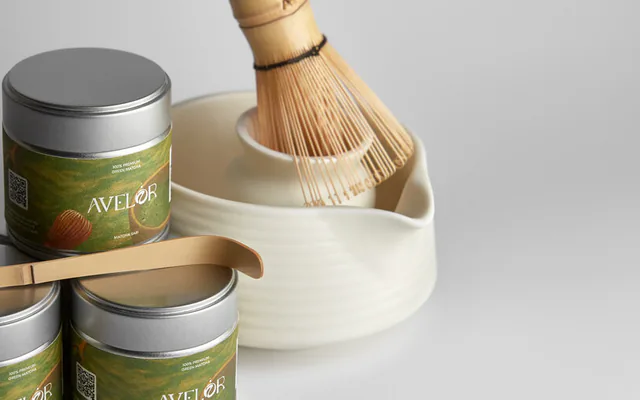
Chasen — the bamboo matcha whisk: how to choose it, use it and not ruin it
A bamboo whisk is not decoration — it is a tool that does something a spoon cannot. Below: how many prongs make sense, why the first use decides the whisk’s lifespan, and how not to destroy it within a week.
Read more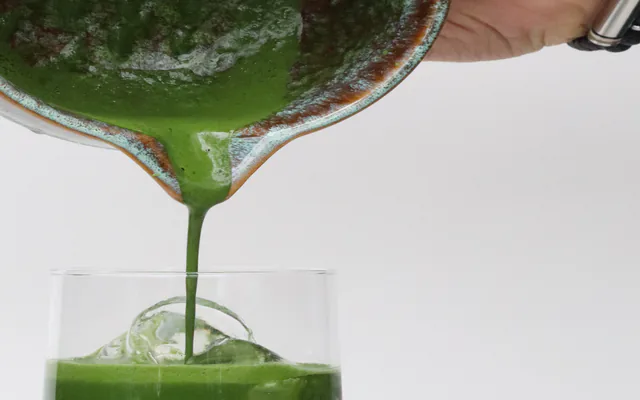
Iced matcha — cold whisk, shaken and cold brew, step by step
Cold matcha tastes different from hot — gentler and sweeter, because cold water pulls something else out of the powder. There is one condition: never tip the powder straight into anything cold. Below, three methods and the order that saves the drink from lumps.
Read more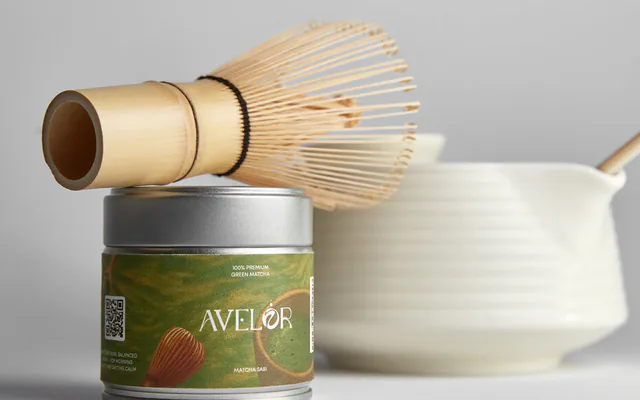
How much does matcha cost — price per gram in a tin, in 100 g and by the kilo
The price on the tin means nothing until you divide it by grams. The same sum can buy you fifteen servings or five hundred. Below: the only number that lets you compare offers honestly — and the point at which the bigger format stops being a saving.
Read more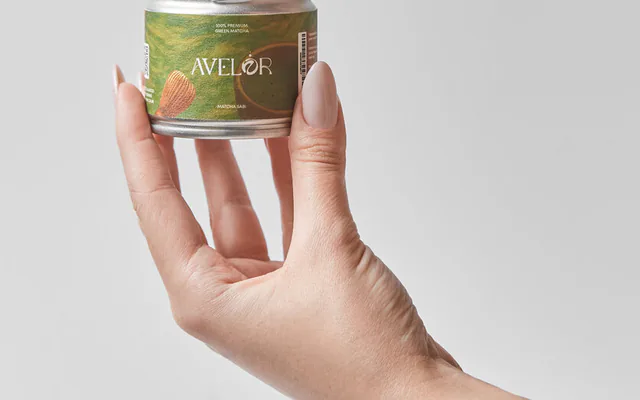
How to recognise good matcha — 7 signals before you buy and after you open
Good matcha does not have to be taken on trust. Three things you can check on the label before paying, four more within the first minute of opening the tin. Below: the full set of signals and three tests that need nothing but water, a sheet of paper and your eyes.
Read more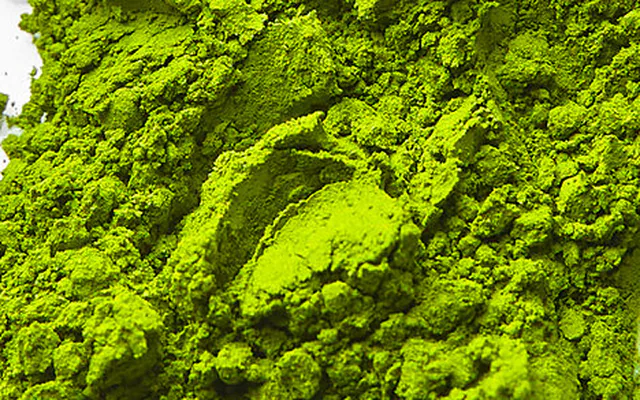
How much caffeine is in matcha — compared with coffee, cola and energy drinks
Short answer: a serving of matcha holds 60–70 mg of caffeine, roughly an espresso. The longer answer is more interesting, because the same dose behaves quite differently in matcha and in coffee — and because the widespread claim that matcha is stronger than coffee has a specific source.
Read more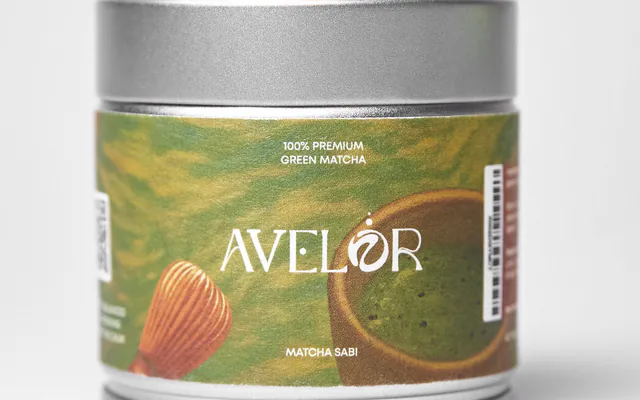
How to store matcha so it keeps its colour and flavour
Matcha is the one tea that degrades fast — it is a ground leaf with an enormous surface area exposed to air. Good matcha stored badly loses its colour within weeks. Here are the four things that destroy it, what to do about each, and how to spot a powder that is past its best.
Read more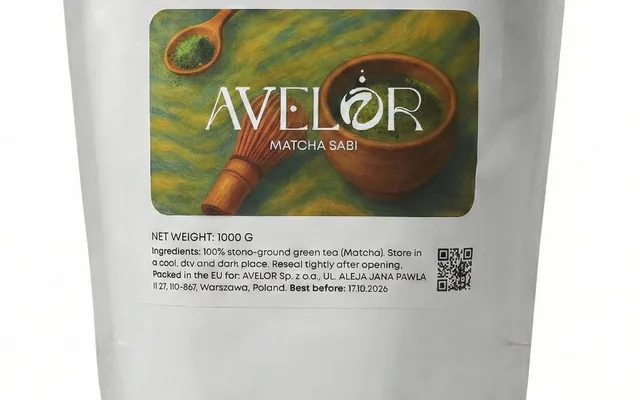
Matcha wholesale — how to choose a supplier and cost a serving properly
Matcha latte is on almost every café menu now, yet the margin on it can differ twofold between two venues on the same street. The difference almost never lies in the menu price — it lies in how you buy the raw material. Here is the maths, and the questions that separate a supplier from a middleman.
Read more
Ceremonial vs culinary matcha — which to buy and how to tell them apart
Two tins on a shelf: one at £10, one at £30. Both say "matcha". The difference is not the label — it comes from when the leaf was picked, how long it grew in shade and what happened to the stems. Here is exactly what differs, how to check it at home, and which grade to use for what.
Read more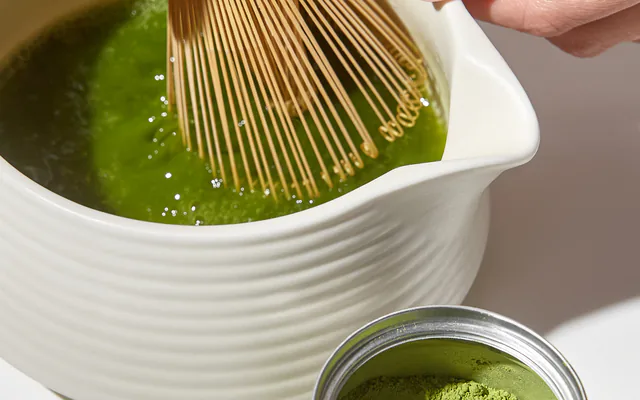
Matcha latte — hot and iced recipe (and why yours turns out bitter)
Café matcha latte is creamy and gently sweet; the homemade one is bitter and lumpy. The difference is not a five-figure espresso machine — it comes down to three things: the ratio, the water temperature and the order you do things in. Here are all three.
Read more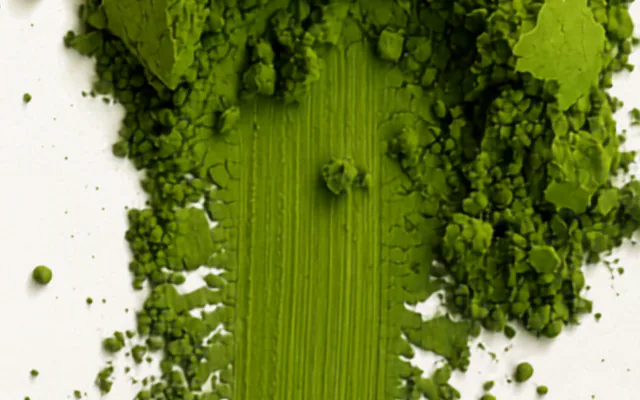
Matcha benefits — what the research actually shows (and what it does not)
Matcha is often described as a cure-all, which is the fastest way to lose trust in it. So here is what is actually known: the composition, the numbers and the findings — along with a clear marker of where the evidence ends and the marketing begins.
Read more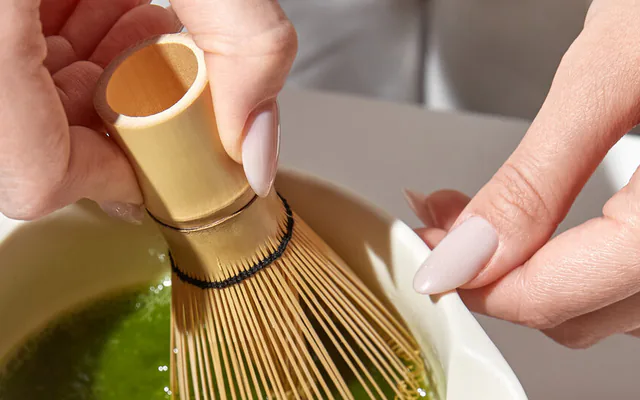
How to make matcha step by step — ratios, temperature and the usual mistakes
Good matcha is not bitter. If yours is, the culprit is almost always the water, the ratio or the clumps rather than the tea. Below is a concrete guide: how much, in what, at what temperature, and what to do when you have no bamboo whisk.
Read more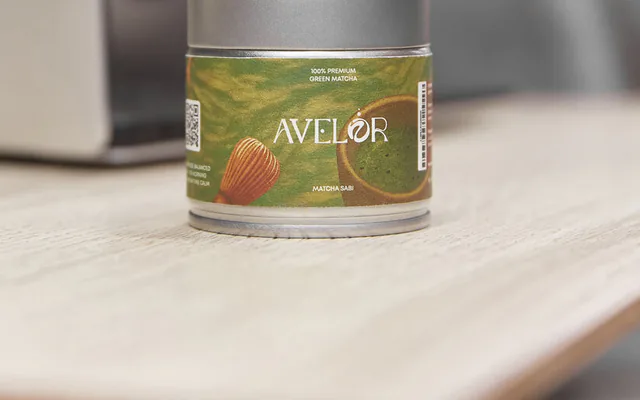
Matcha vs coffee — caffeine, energy and what really separates them
This is not a piece about coffee being bad. Coffee is excellent. But matcha differs from coffee on a few specific points — and it is worth knowing which. Below: the numbers, the mechanism, and a ready-made switching plan if you decide to try.
Read more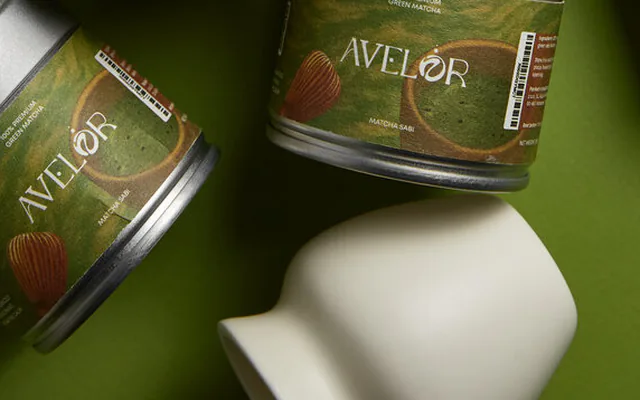
Matcha on a café menu — margin, storage and training your baristas
Matcha latte is now one of the highest-margin lines on a menu — and one of the most frequently botched. This piece is about numbers and procedure, not ritual.
Read more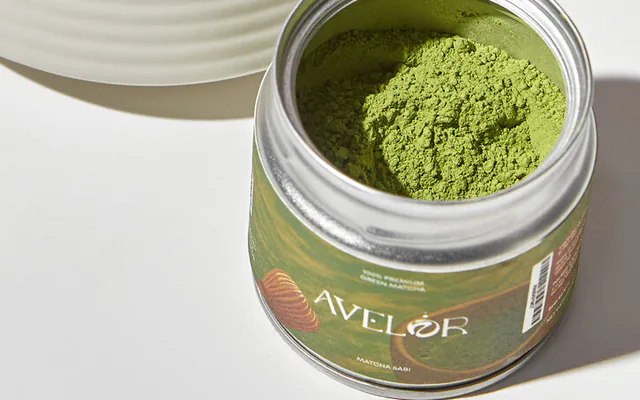
Ceremonial matcha in healthy food — benefits, brewing, and why cafés love it
Powdered green tea has become a symbol of healthy living — from morning rituals to the menus of the best cafés. Here is what ceremonial matcha really is, what science says about it, and how to get the most out of it.
Read more