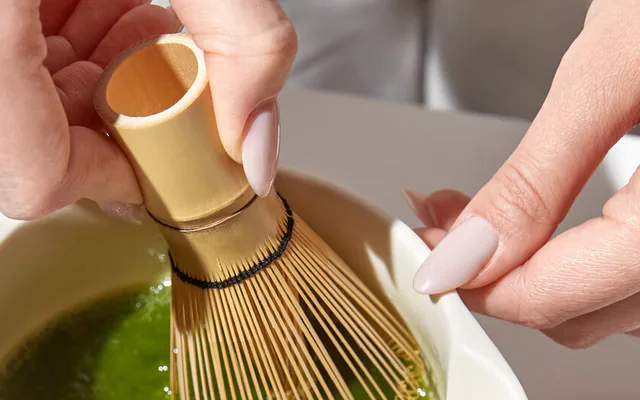
Chasen — the bamboo matcha whisk: how to choose it, use it and not ruin it
A bamboo whisk is not decoration — it is a tool that does something a spoon cannot. Below: how many prongs make sense, why the first use decides the whisk’s lifespan, and how not to destroy it within a week.
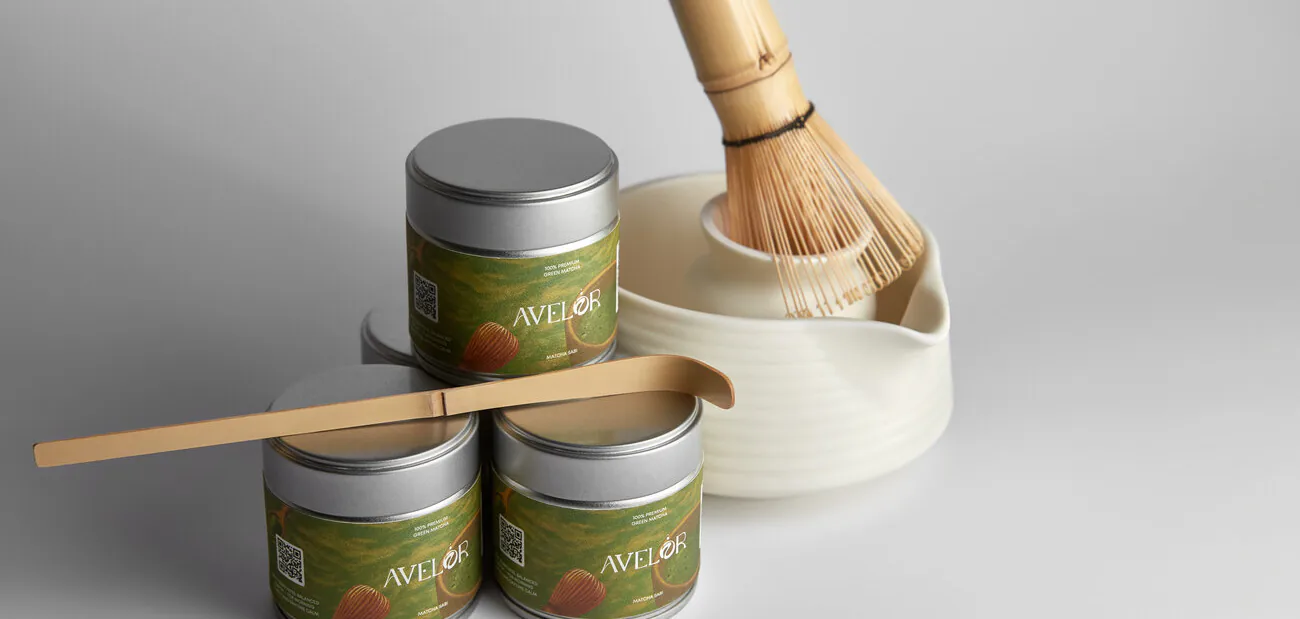
A chasen is a whisk carved from a single piece of bamboo and split into anywhere from seventy to well over a hundred springy prongs. It looks like a prop; it is a tool with a specific job.
Why a spoon will not do
Matcha is not tea to be steeped but powder to be suspended in water. The particles are around 5–10 micrometres and clump readily. Stirring with a spoon pushes the lumps around without breaking them — which is why the drink comes out uneven and leaves sediment.
A chasen does two things at once: it breaks up the agglomerates with hundreds of fine tips and aerates the drink, creating the fine foam that carries the aroma. Hence a difference in taste you notice from the first sip.
How many prongs to choose
| Prong count | What for |
|---|---|
| around 70–80 | thick koicha, firm mixing; weaker foam |
| around 100 | the all-purpose choice for daily usucha — the safest start |
| 120 and above | the finest, longest-lasting foam; more delicate prongs |
If this is your first whisk, take the hundred-prong one. The difference between 100 and 120 is felt by someone who has been drinking daily for months; the difference between a spoon and a chasen is felt by everyone.
Type of bamboo
- White (bleached). The classic, pale and most common. It shows the colour of the matcha nicely.
- Dark (unbleached). More resistant to staining, usually a little stiffer.
- Black. The stiffest — it handles thick koicha well.
For everyday drinking the difference is mostly aesthetic. What does matter is build quality: the prongs should be even, without cracks and without sharp splinters.
The first use decides everything
This is the most common mistake and the easiest to avoid. A new chasen must never go into the bowl dry. Dry bamboo is brittle, and splayed prongs snap on the first firm stroke.
- Pour warm water into the bowl (not boiling).
- Submerge just the head of the whisk for 2–3 minutes.
- Stir gently in the water so the prongs straighten and separate.
- Pour the water away, shake the whisk off, and only now whisk your matcha.
The same ritual — shortened to a dozen seconds — is worth repeating before every use. The whisk then lasts many times longer.
How to whisk
The motion runs in a W or M shape, briskly, from the wrist rather than the whole arm. Do not stir in circles — a circle brings in less air and pushes powder onto the walls.
Hold the chasen so the tips work just below the surface rather than scraping the bottom. Scraping ceramic is the fastest way to wear the tips down. The whole thing takes 15–20 seconds. The rest of the technique — water temperature, ratios, sifting — is here: how to brew matcha →
Washing and drying
- Water only. No washing-up liquid — bamboo is porous, absorbs detergent and hands it back in the next bowl.
- Never the dishwasher. Heat and pressure loosen the binding and snap the prongs.
- Rinse immediately after use in warm water, turning the head. Dried matcha sets hard as glue.
- Do not squeeze or shake it violently — tap it off gently.
- Dry head up, ideally on a kusenaoshi stand. Its shape keeps the prongs splayed, so the whisk does not close into a cone and dries faster. Never shut a wet chasen in a cupboard — that is where mould starts.
When to replace it
A chasen is a consumable, not equipment for years. At one bowl a day with proper care it usually lasts 3–6 months; in a café, at a dozen-plus servings a day, it is a matter of weeks.
Signs it is time: several broken prongs, permanent staining that will not rinse out, stiffness instead of spring, or a musty smell. A broken prong can end up in the drink — that is the moment to retire the whisk.
What can stand in, and what cannot
| Tool | Result |
|---|---|
| Electric milk frother | breaks up lumps and gives foam — coarser and shorter-lived; a sensible compromise in a hurry |
| Screw-top jar (shaken) | excellent for cold versions, no foam; details: iced matcha → |
| Fork, kitchen whisk | does not break agglomerates — lumps and sediment remain |
| Blender | works, but over-aerates and warms the drink |
The rest of the set
A chashaku is a bamboo scoop — two scoops is roughly 2 g, one serving. A sieve matters more than it seems: sifting the powder before whisking removes caking and halves the chasen’s work. A chawan, the wide bowl, gives room for the W motion — in a tall mug you cannot whisk properly.
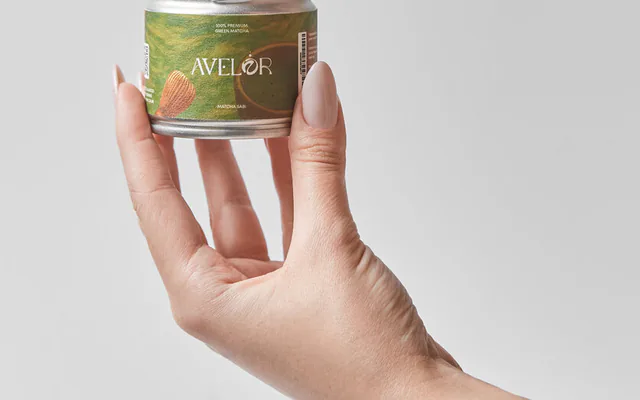
We put whisk, scoop and bowl together in sets: see Avelor sets →
How many prongs should a chasen have?
For daily usucha a roughly hundred-prong whisk works best — it is the safest first choice. Versions with 70–80 are stiffer and better for thick koicha, while 120 and above give the finest foam but have more delicate prongs.
Does a chasen need soaking before use?
Yes, and it is the single most important part of caring for it. Dry bamboo is brittle, so a new whisk goes head-first into warm water for 2–3 minutes and is stirred gently so the prongs separate. Before later uses a dozen seconds is enough.
How do you wash a chasen?
With warm water only, straight after use, turning the head under the stream. No washing-up liquid — bamboo is porous and absorbs detergent. The dishwasher is out of the question: heat and pressure loosen the binding and snap the prongs.
How long does a chasen last?
At one bowl a day with proper care, usually 3–6 months. In a café at a dozen-plus servings a day it is measured in weeks. Broken prongs, permanent staining, loss of spring or a musty smell all say it is time for a new one.
Can you whisk matcha with a milk frother?
You can, and the lumps will break up, but the foam comes out coarser and shorter-lived than with a chasen. It is a reasonable compromise when you are in a hurry. A fork or kitchen whisk will not do — they do not break the agglomerates, so sediment stays.
Why dry a chasen on a stand?
A kusenaoshi stand keeps the prongs splayed, so the whisk does not dry closed into a cone, dries faster and holds its shape longer. A wet chasen shut in a cupboard is a straight road to mould.