Matcha as a gift — which set to choose for a beginner, a coffee lover and someone who already has everything
Matcha makes a good gift for one reason: it gives the recipient something to do, not just something to drink. What goes in the box depends on who opens it — four typical situations below, each with a concrete answer.
A tin of good matcha fits in a coat pocket, keeps for months and looks more expensive than it is. But what makes it a great gift is something else: it gives the recipient an activity. Measuring, sieving, whisking — five minutes of ritual that someone will repeat every day, thinking each time of the person who gave them the tin. Provided they get matcha they will actually like, and tools they will actually use. Here is how to match the two.
First, one question: has this person drunk matcha before?
Everything depends on the answer. Do not give a bare tin to someone who has never held a chasen — they will use boiling water, skip the sieve and decide matcha is bitter. Do not give a starter set to someone who has been drinking matcha for years — they already own two bowls and three whisks. The four situations below cover most cases.
For a beginner: a set with the tools
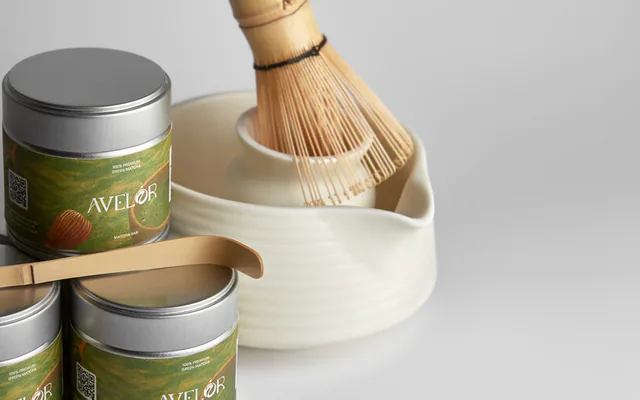
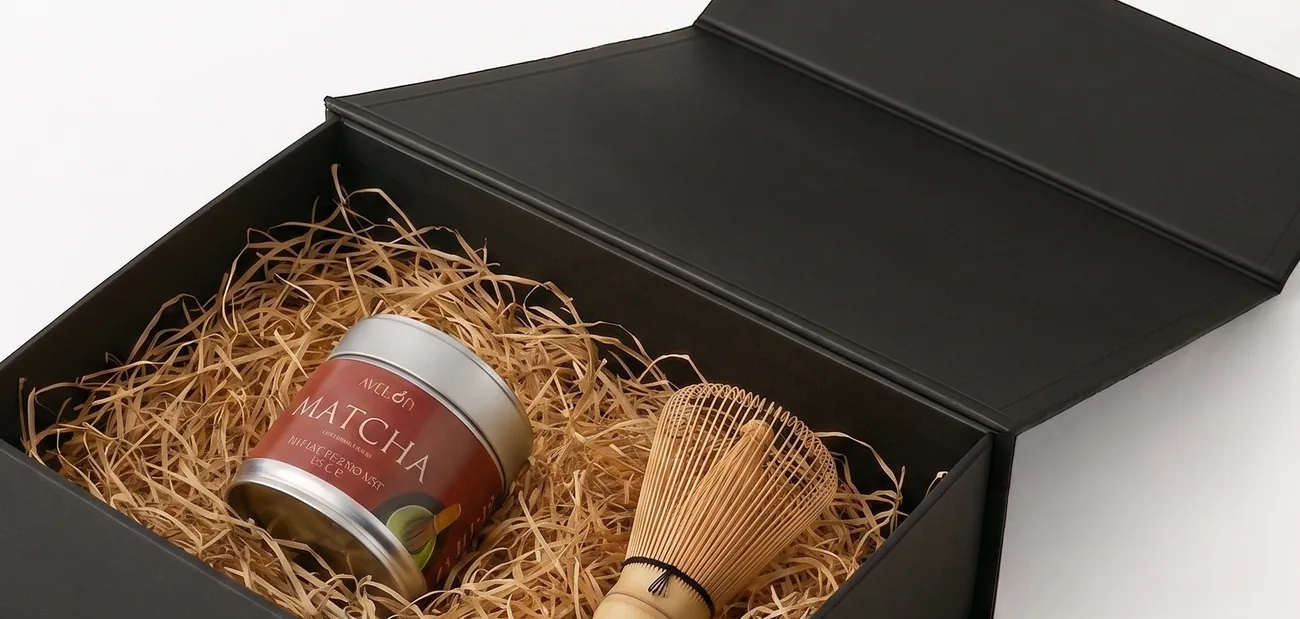
Someone who knows matcha from cafés needs three things to make it at home: the powder, a whisk and a vessel you can whisk in. The Starter Set is matcha and a bamboo chasen in a gift box — the minimum that works. The Classic Set adds a glass bowl (chawan): glass shows off the colour and the foam, and for someone just starting out, watching the matcha being whisked is half the pleasure.
Put a link or a card with instructions in the box — how to make matcha step by step is five points that decide whether the first bowl is sweet or bitter. The most important one: water at 70–80 °C, never boiling.
For a coffee lover: a duo of two lines
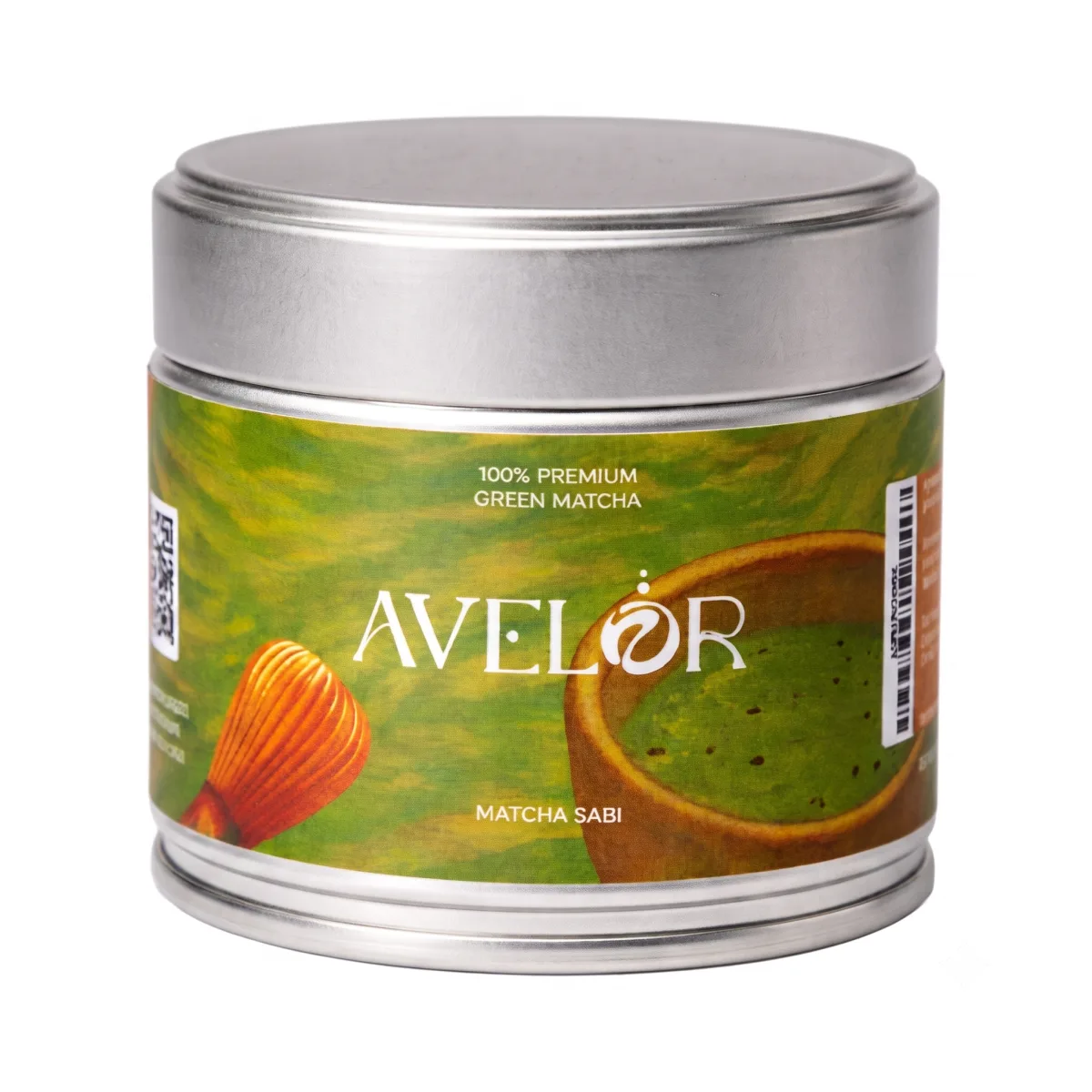
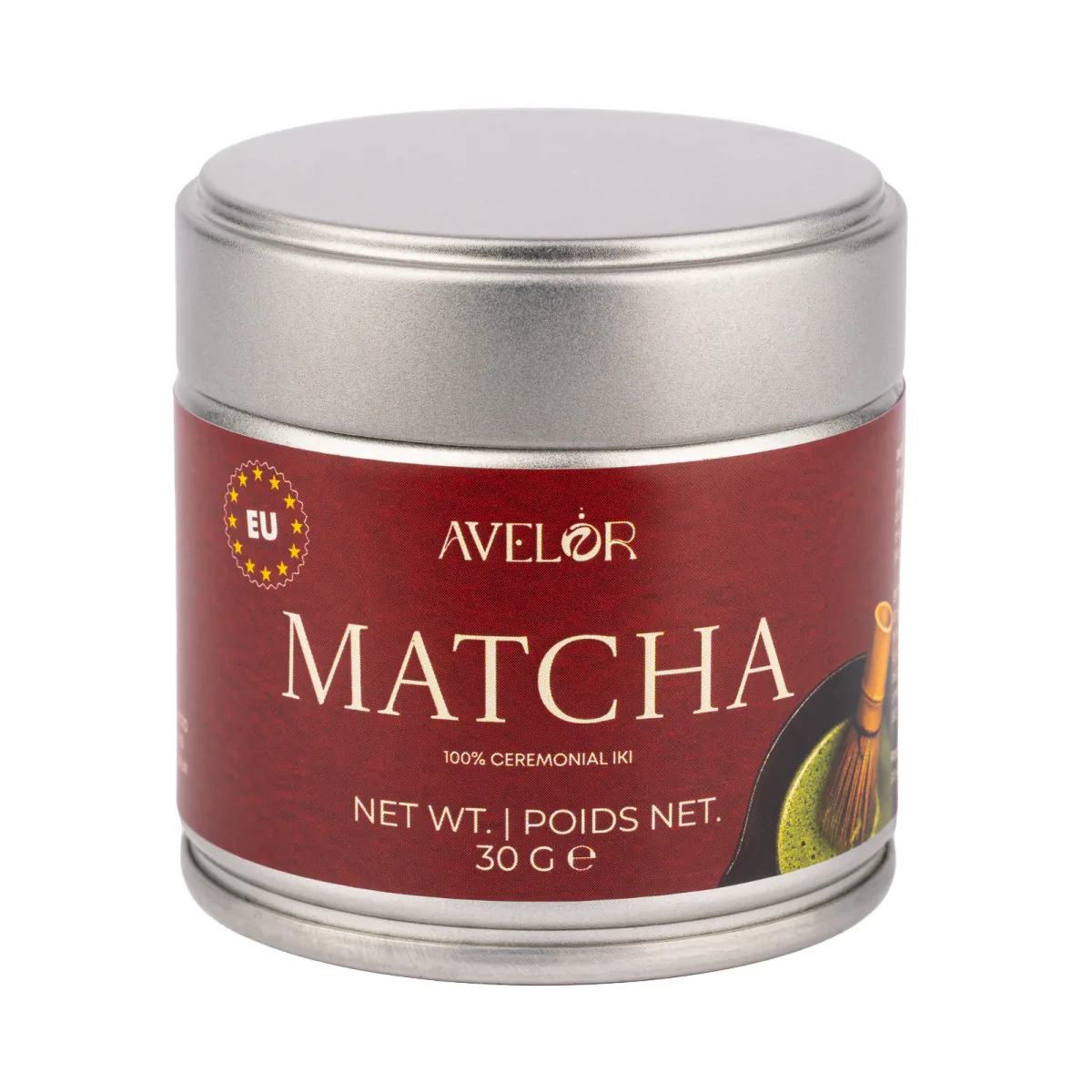
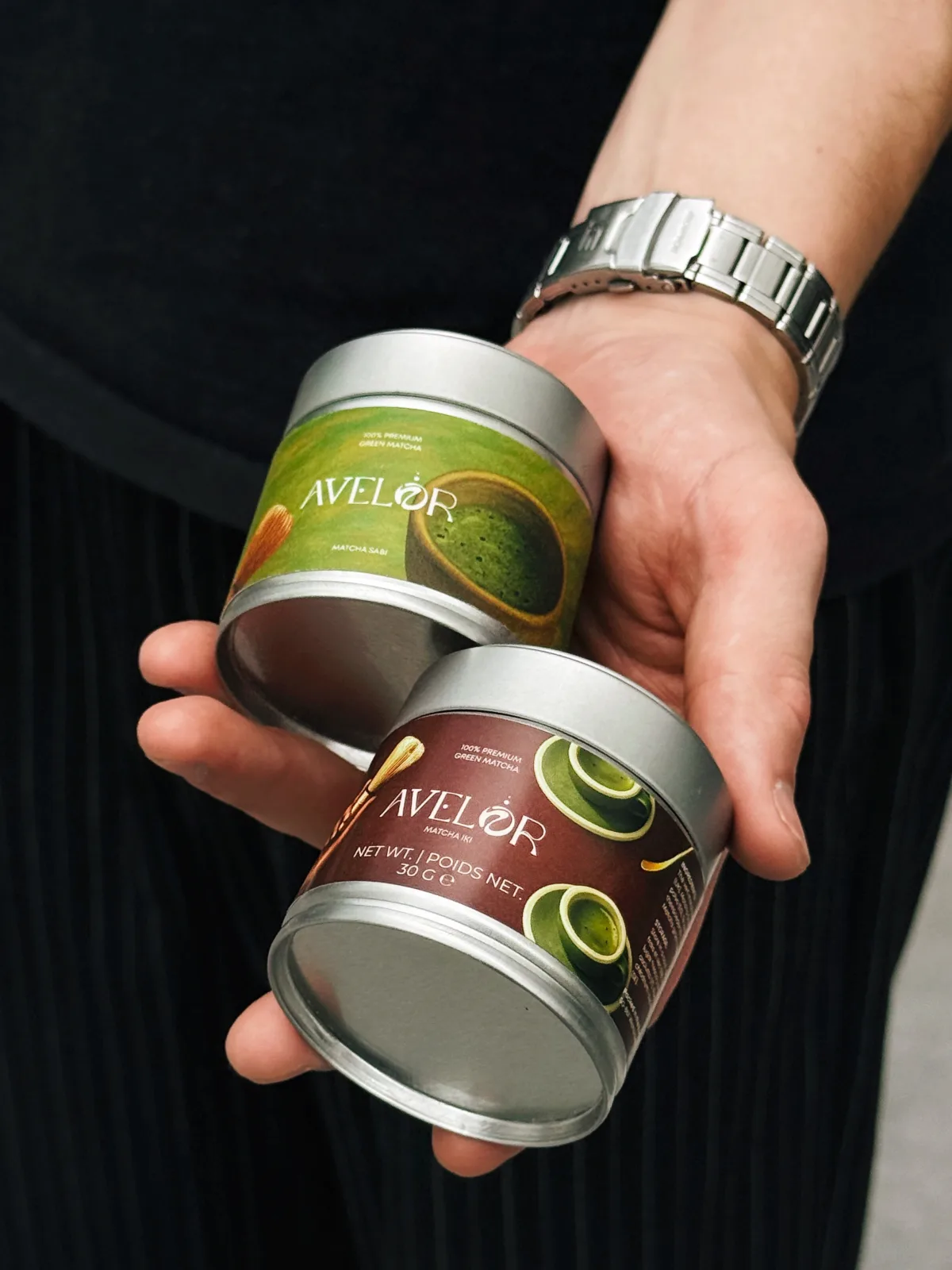
Someone who drinks coffee with intent — who knows what single origin means and why espresso from different beans tastes different — does not need tools, only a comparison. The IKI & SABI Duo is two 30 g tins in one box: IKI with an intense, creamy umami, and SABI gentler, for every day. Both first harvest. For a coffee lover this is exactly the kind of gift they would buy themselves: a tasting, not a single flavour imposed from above. The differences between the lines are described in IKI, SABI or OMI, and the comparison with coffee in matcha vs coffee.
If the coffee lover has a milk frother at home, add a recipe: a matcha latte comes out just as well with a frother as with a chasen, and in winter the spiced version with cinnamon and cardamom is the simplest way to get the gift into use straight away.
For someone who already drinks matcha: a bigger tin and the one thing they lack
Here you do not guess, you check. Such a person owns a chasen and a bowl; what they usually lack is two things: a stock and a second line to compare. A 100 g tin (IKI or SABI) is about 50 servings — over a month of daily bowls. If you know which line they drink, give the other one; if you do not, SABI is the safer choice, IKI the more expressive.
A small thing that makes a difference: a new chasen. A bamboo whisk wears out — after a few months of daily whisking the tines break — and hardly anyone buys one for themselves. How to choose a chasen explains what to look for.
For someone who “has everything”: something they do not drink yet
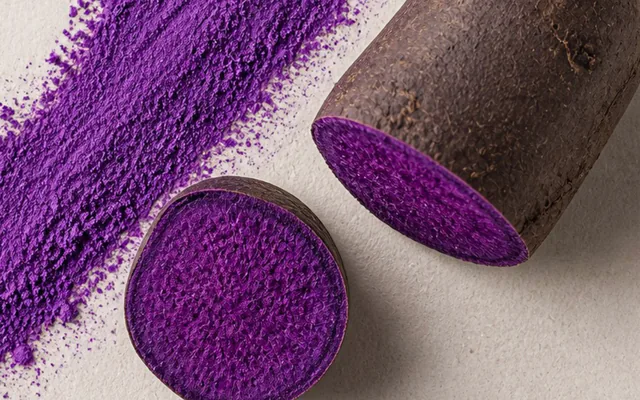
For a person who cannot be surprised with matcha, there is ube: a purple powder from a tuber, caffeine-free, with notes of vanilla and nuts. A 50 g tin is enough for a dozen or more ube lattes and looks so striking in a glass that the first question is “what is that?”. The answer is in what is ube. If you want to let someone try both at once, the sample set with SABI matcha, OMI matcha and ube holds 10 g of each — not the main gift, but a good addition to a card.
How to check you are buying a good gift
From the outside every tin looks alike. Three things worth checking before buying, whatever the shop:
- Grade and harvest. For drinking plain or as a latte — ceremonial grade from the first harvest. Culinary matcha is cheaper but bitter in a bowl; the difference is described here.
- Lab testing. A reliable seller tests batches and says so openly. More on how to recognise good matcha before you even open it.
- The date. The package carries a best-before date; unopened matcha keeps its full flavour for 12–24 months. A gift bought in November and opened in January is no problem — provided the tin stays sealed until then, in a cool, dark cupboard, not on the windowsill next to the tree. The rules are in our guide to storing matcha.
What not to put in the box
- An opened tin “from your own stock”. Once opened, matcha keeps its full flavour for 4–6 weeks; a gift should be fresh.
- Culinary matcha “to start with”. The first bowl decides whether someone will like matcha. A bitter first bowl is the end of the adventure.
- A metal teaspoon as the only measure. It does no harm, but a bamboo chashaku in the box looks better and measures evenly — we explain this in matcha and metal.
- Too many accessories at once. Someone starting out needs a chasen and a bowl. The sieve and the whisk holder will come by themselves once the ritual sticks.
For a café, a team or clients
If the gift is corporate — for a team, partners or regular clients — the logic reverses: what counts is repeatability and a sensible cost per serving. Then, instead of a dozen boxes, it is better to take a 500 g pouch and decant it into smaller tins with your own label; the wholesale terms are on the business page. All gift sets are in one place: sets and gifts.
In short
Beginner — a set with a chasen and a bowl, plus brewing instructions. Coffee lover — the IKI & SABI Duo to compare. Someone who already drinks matcha — a 100 g tin of the other line, or a new chasen. Someone who has everything — ube. Whatever the choice: ceremonial grade, first harvest, a tested batch and a tin kept sealed until it is handed over.
What matcha should I give a beginner?
A set with the tools: ceremonial matcha, a bamboo chasen and a bowl, ideally glass so the colour and foam are visible. Add brewing instructions to the box — a first bowl made with boiling water puts people off for good.
Which matcha set should I give someone who already drinks matcha?
Not a starter set — such a person already has the tools. A 100 g tin of a line they have not tried yet is better, or a new chasen: a bamboo whisk wears out after a few months of daily use.
Will a matcha gift keep until Christmas?
Yes. An unopened tin keeps its full flavour for 12–24 months from production; it just needs to stay sealed in a cool, dark place until it is given. Do not give an already-opened tin, though — after opening, matcha is at its best for 4–6 weeks.
What can I give a coffee lover instead of coffee?
A duo of two ceremonial matcha lines to compare, for example the intense IKI and the gentle SABI. A coffee lover values a tasting more than a single imposed flavour, and a serving of matcha has as much caffeine as an espresso, so they will not feel short-changed.
Does a matcha gift need to include a chasen?
For a beginner, yes — without a whisk or a frother the powder will not disperse and the drink will be lumpy. Someone who already drinks matcha usually has their own; then a recipe or a second line to compare is the better addition.
How do I check that a matcha gift is good quality?
Three things: ceremonial grade from the first harvest (not culinary), information about lab testing of the batch, and a best-before date on the package. From the outside the tins look alike — the difference is in these three points.
Try it yourself