Dirty matcha latte — a recipe for matcha with espresso, iced and hot, with the caffeine maths
Dirty matcha joins two drinks that usually sit on opposite sides: matcha latte and espresso. Iced, it gives three layers — green, white and brown — and tastes like nutty coffee with umami in the background. It carries as much caffeine as two espressos.
"Dirty" in café jargon means one thing: espresso has been added to a drink that had no coffee in it. A dirty chai is chai latte with a shot; a dirty matcha is matcha latte with a shot. The drink was born in specialty cafés as a compromise for people who like matcha but do not want to give up coffee, and quickly became a fixture on menus, because iced it looks as good as it tastes.
Before the recipe — one number that matters more in this drink than in any other with matcha: 2 g of matcha is about 60–70 mg of caffeine, 30 ml of espresso about 63 mg. A dirty matcha therefore has 125–135 mg of caffeine in one glass, roughly two espressos or a large mug of filter coffee. It is a drink for the morning.
The base recipe: iced dirty matcha latte
Ingredients for one tall glass (about 300 ml):
- 2 g matcha (a level teaspoon),
- 40 ml water at 70–80 °C,
- 150 ml cold milk, dairy or plant-based,
- optionally 5–10 ml of syrup,
- ice to the top,
- 30 ml espresso (a single shot), freshly pulled.
- In a bowl, sieve 2 g of matcha, add 40 ml of water at 70–80 °C and whisk with a chasen or a frother in a W motion for 15–20 seconds.
- Pour the matcha into a tall glass; if you sweeten, add the syrup now and stir.
- Fill the glass with ice to the top.
- Pour 150 ml of cold milk over the ice — in this version the matcha stays at the bottom and the milk settles above it.
- Pull 30 ml of espresso and pour it slowly over the ice on top — the warm espresso is the lightest and stays on top as a brown layer.
- Serve immediately; stir before drinking.
The order "matcha, milk, espresso" gives the cleanest storeys, because each new layer is lighter or warmer than the previous one. If you prefer the green on top, do it as in an ordinary iced matcha latte: milk with the espresso first, then ice, and the matcha over the ice at the very end — the brown then blends with the white into a coffee beige, and the green stays on top.
The hot version
Hot, a dirty matcha is simply a hot matcha latte with a shot on top — no layers, but a more interesting taste than iced, because heat draws nuts and chocolate out of the espresso, which pair well with the umami of matcha.
- Whisk 2 g of matcha in 40 ml of water at 70–80 °C.
- Foam 180 ml of milk heated to 60–65 °C and pour it onto the matcha.
- Pull 30 ml of espresso and pour it through the foam into the centre of the cup.
Colour: brownish green, unspectacular. This version is for drinking, not for photos.
Ratios and caffeine in one place
| Version | Matcha | Espresso | Milk | Caffeine (approx.) | Calories (approx.) |
|---|---|---|---|---|---|
| Iced dirty matcha | 2 g | 30 ml | 150 ml | 125–135 mg | 85 kcal |
| Hot dirty matcha | 2 g | 30 ml | 180 ml | 125–135 mg | 100 kcal |
| "Half dirty" (half a shot) | 2 g | 15 ml | 150 ml | 90–100 mg | 85 kcal |
| Plain matcha latte | 2 g | — | 150 ml | 60–70 mg | 80 kcal |
Calories counted with 2 % milk (about 50 kcal/100 ml), no syrup; espresso is 1–2 kcal. Every 10 ml of syrup adds 30–35 kcal. The table for other milks is in a separate article, and the full comparison of caffeine in matcha and coffee in the caffeine article.
Who a dirty matcha makes sense for
- People switching from coffee to matcha. The shot gives a familiar taste and ritual, and the matcha comes along "on the side". After a few weeks many people halve the shot, then drop it — a natural road from coffee to matcha.
- People who like both and want one drink instead of two — in the morning, not the afternoon.
- Not for people sensitive to caffeine. 125–135 mg in one glass is a dose after which sleep in the evening can suffer even in people for whom a single latte makes no difference. If you drink matcha precisely because it acts more gently than coffee, a dirty matcha takes that advantage away.
Taste: what happens when matcha meets espresso
On paper it is a conflict: grassy umami versus roasted bitterness. In the glass it works, on one condition — the espresso has to be mild. Light-roast, acidic beans clash with matcha and the whole drink turns astringent; medium-roast, nutty-chocolatey blends join it naturally. The second rule: the matcha must not be bitter on its own. Overheated or culinary matcha plus espresso is bitterness squared. In a dirty matcha, a powder with distinct umami that will not disappear under the coffee works best — and a milk with body that softens both.
Three mistakes that ruin a dirty matcha
- Espresso poured into the matcha before the milk. A warm shot mixed with matcha on water gives a murky, brownish liquid — the layers vanish and the matcha tastes burnt. The shot always goes last, over the ice.
- A double shot "because it is strong anyway". 60 ml of espresso is already 190–200 mg of caffeine in one glass, and the matcha stops being noticeable. A single shot is the ratio at which you hear both ingredients.
- Matcha whisked with boiling water. Above 80 °C the bitterness of matcha adds to the bitterness of coffee and nothing saves it.
For cafés
A dirty matcha is the simplest way to sell matcha to a guest who "only drinks coffee": the same matcha base as for the latte, a shot from the machine that already stands on the bar, a price higher by one shot. On the menu it works well next to the plain matcha latte as the "for coffee people" version. Ingredient cost: one serving of matcha plus 7–8 g of coffee. 500 g and 1 kg packs: the business offer.
Where to start
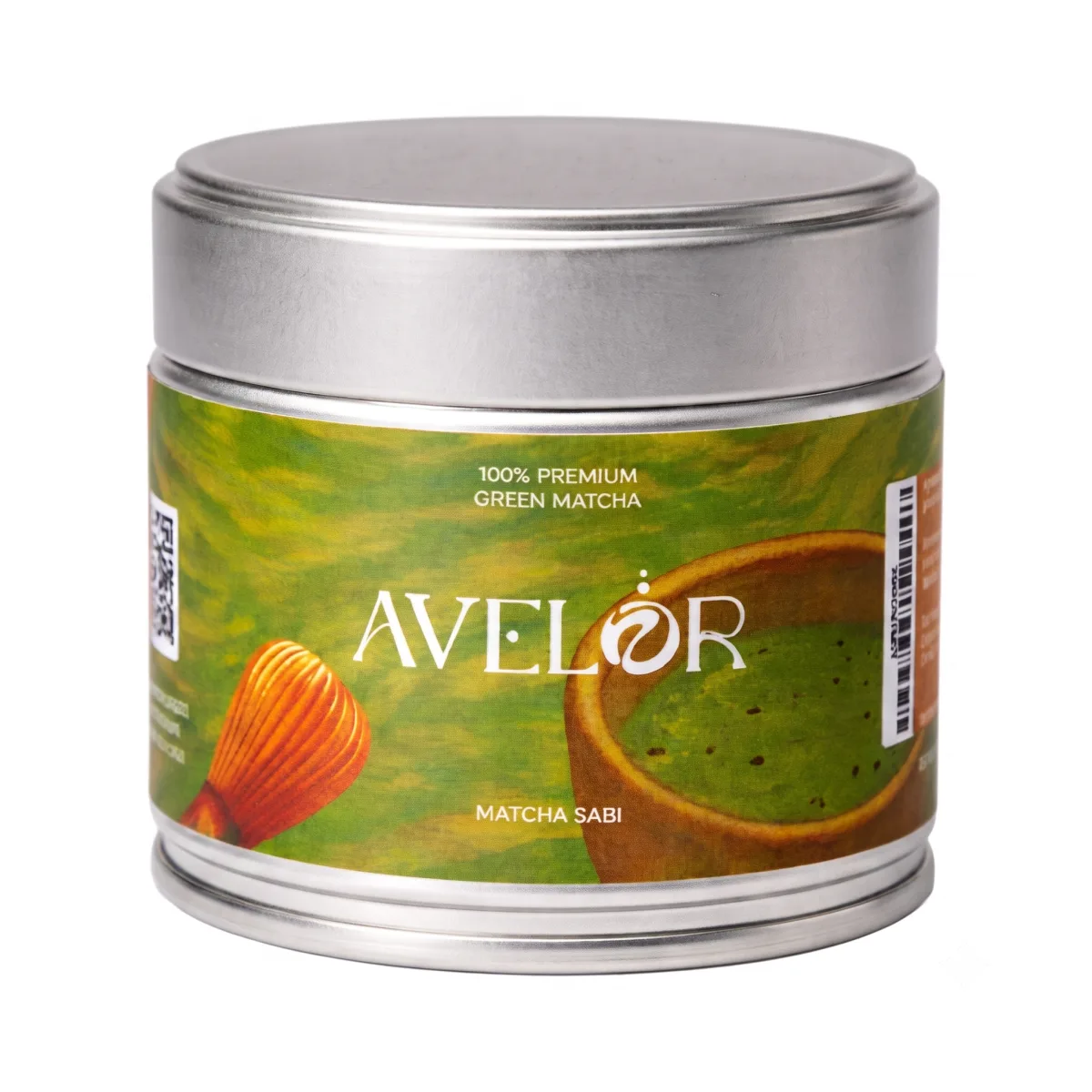
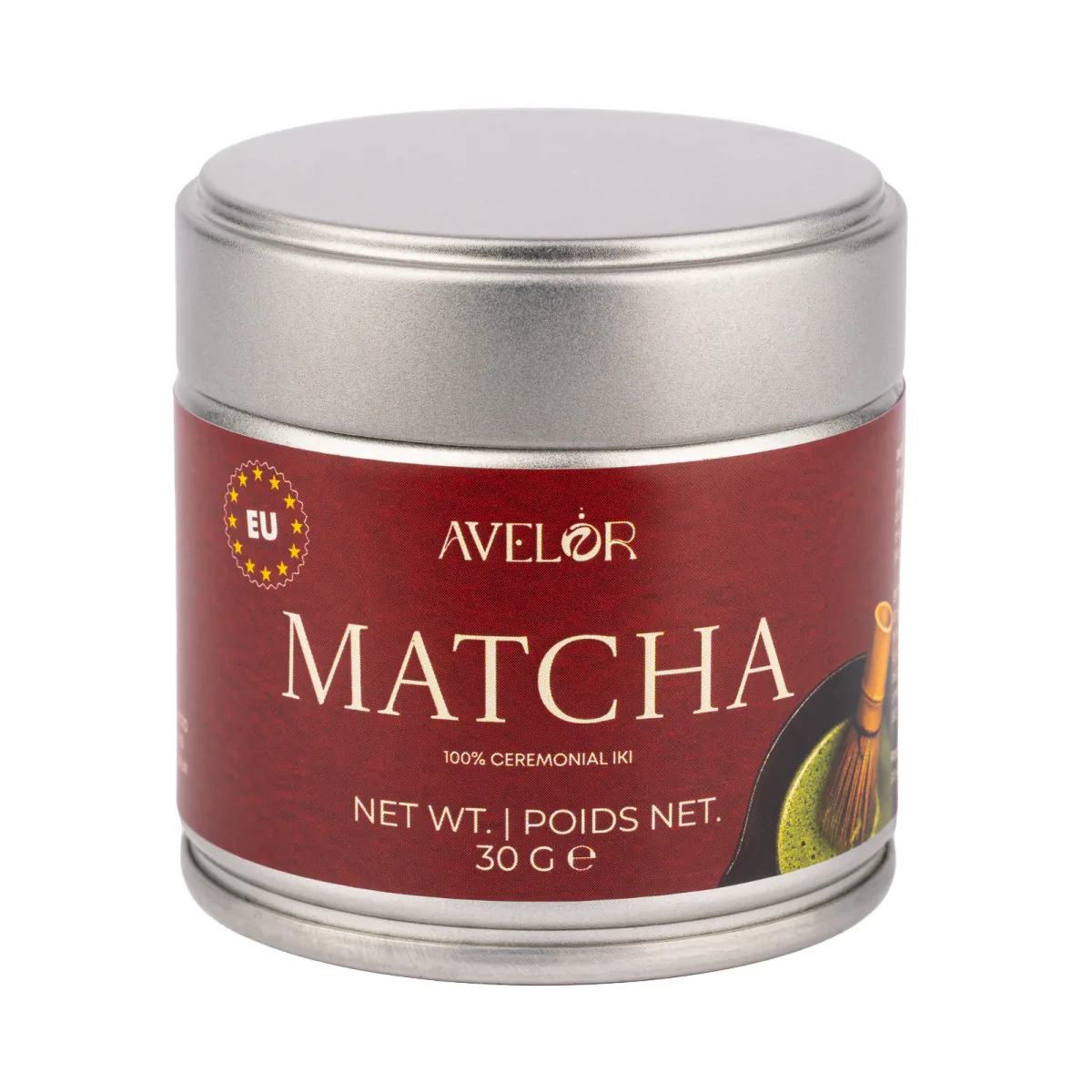
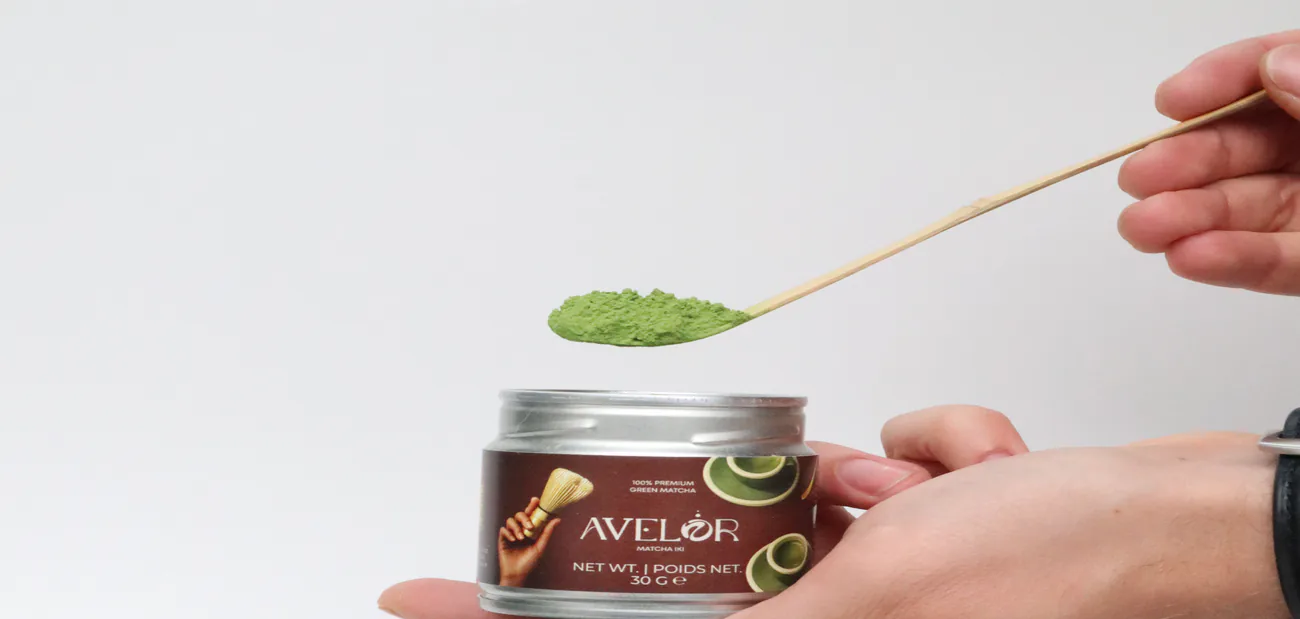
Under espresso you need a matcha with character of its own: IKI 30 g with its intense umami holds up even against a strong shot; SABI 30 g is milder and suits a "half dirty" with half a shot better. To compare both in the same drink, the IKI & SABI duo is two 30 g tins.
What is a dirty matcha?
A dirty matcha (dirty matcha latte) is a matcha latte with a shot of espresso added — just as a dirty chai is chai latte with coffee. Iced, it gives three layers: green matcha, white milk and brown espresso on top; hot, it is a uniform brownish green.
How much caffeine is in a dirty matcha?
About 125–135 mg in one glass: 2 g of matcha is 60–70 mg, and 30 ml of espresso about 63 mg. That is roughly two espressos or a large mug of filter coffee. The half-shot version has about 90–100 mg.
How do you make an iced dirty matcha latte?
Whisk 2 g of matcha in 40 ml of water at 70–80 °C and pour it into a tall glass, fill with ice, pour 150 ml of cold milk over the ice, and finish with 30 ml of freshly pulled espresso — the warm shot stays on top as a brown layer. Stir before drinking.
Which coffee for a dirty matcha?
Medium-roast, nutty-chocolatey — it joins the umami of matcha naturally. Light-roast, acidic beans clash with matcha and the drink turns astringent. A single shot (30 ml) is the ratio at which you taste both ingredients.
Can you drink a dirty matcha in the afternoon?
With 125–135 mg of caffeine per serving, better not: it is the dose of two espressos, which worsens sleep for many people even if a single matcha latte makes no difference to them. A dirty matcha is a morning drink.
How many calories are in a dirty matcha?
About 85 kcal iced and about 100 kcal hot, with 2 % milk and no syrup: 2 g of matcha is about 6 kcal, 150–180 ml of milk 75–90 kcal, and espresso 1–2 kcal. Every 10 ml of syrup adds 30–35 kcal.
Try it yourself